01 / Buyer problem & application
Custom Project Support
Ningora integrates project review with manufacturing. Authorized drawings, dimensions, BOM inputs and samples are translated into a confirmed configuration, physical sample or manufacturing brief before fabrication, assembly, project-specific checks and packing. Feasibility, certification, availability, MOQ and lead time remain project-specific.
02 / System overview
Project Review as Part of Manufacturing
It is Ningora’s drawing-to-manufacturing workflow, converting drawings, dimensions, authorized samples and non-standard requirements into a confirmed configuration, sample or production brief. Review custom SEG system requirements, SEG frame and profile requirements, or application concepts and prototypes before preparing the project brief.
Confirm scope next.
Ningora’s manufacturing team reviews the drawing, structure, profile, lighting and production inputs before the project manufacturing scope is confirmed.
May be provided for approved custom projects; exact scope and release remain project-specific.
May be reviewed for redevelopment only when the buyer confirms authorization and relevant rights.
May be available after drawing and feasibility review; timing, charge and acceptance are not pre-set here.
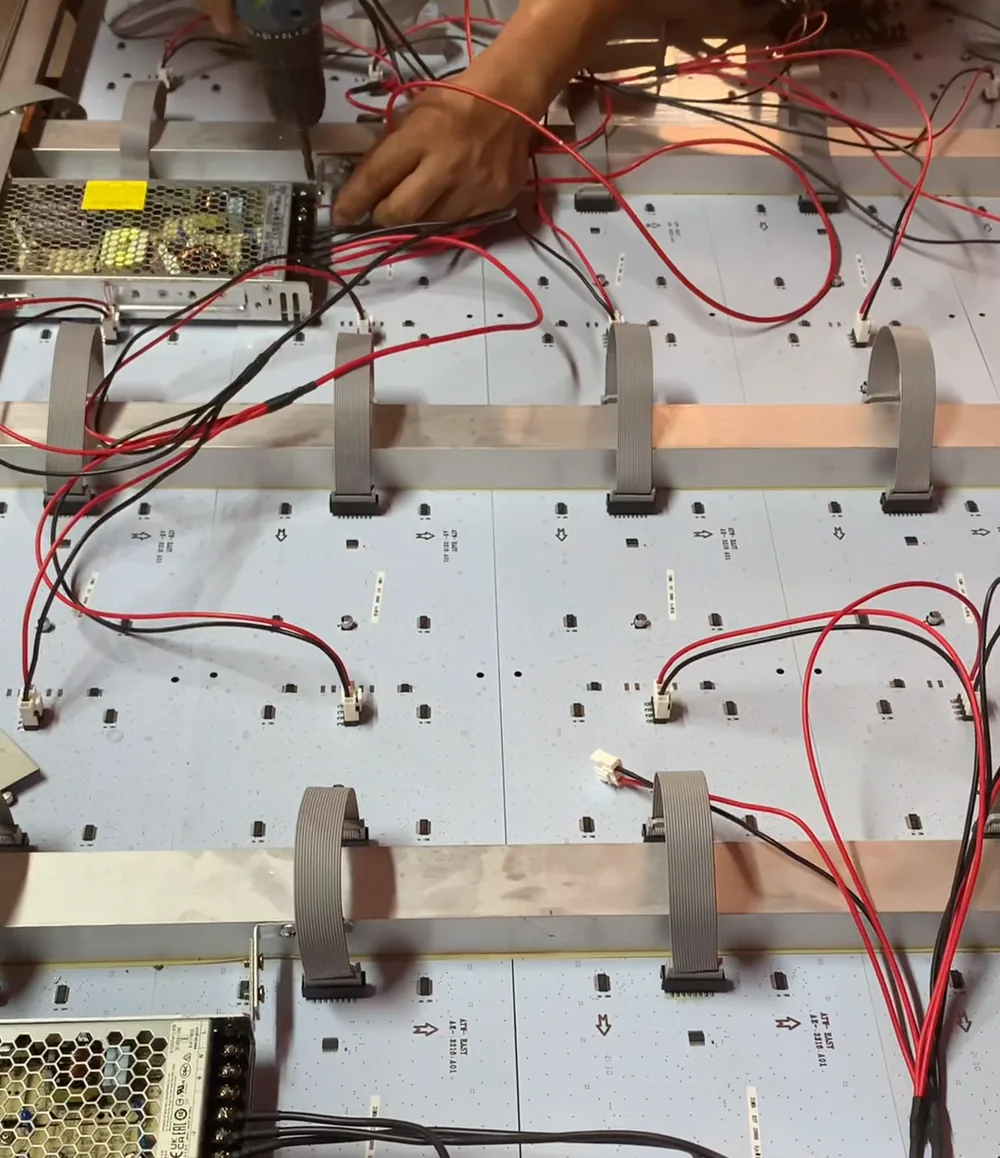
Structure, lighting integration and function checks
These views show rear structure, lighting integration, workshop modules and a physical-display function check—the stages a buyer may need to define before scope is confirmed.
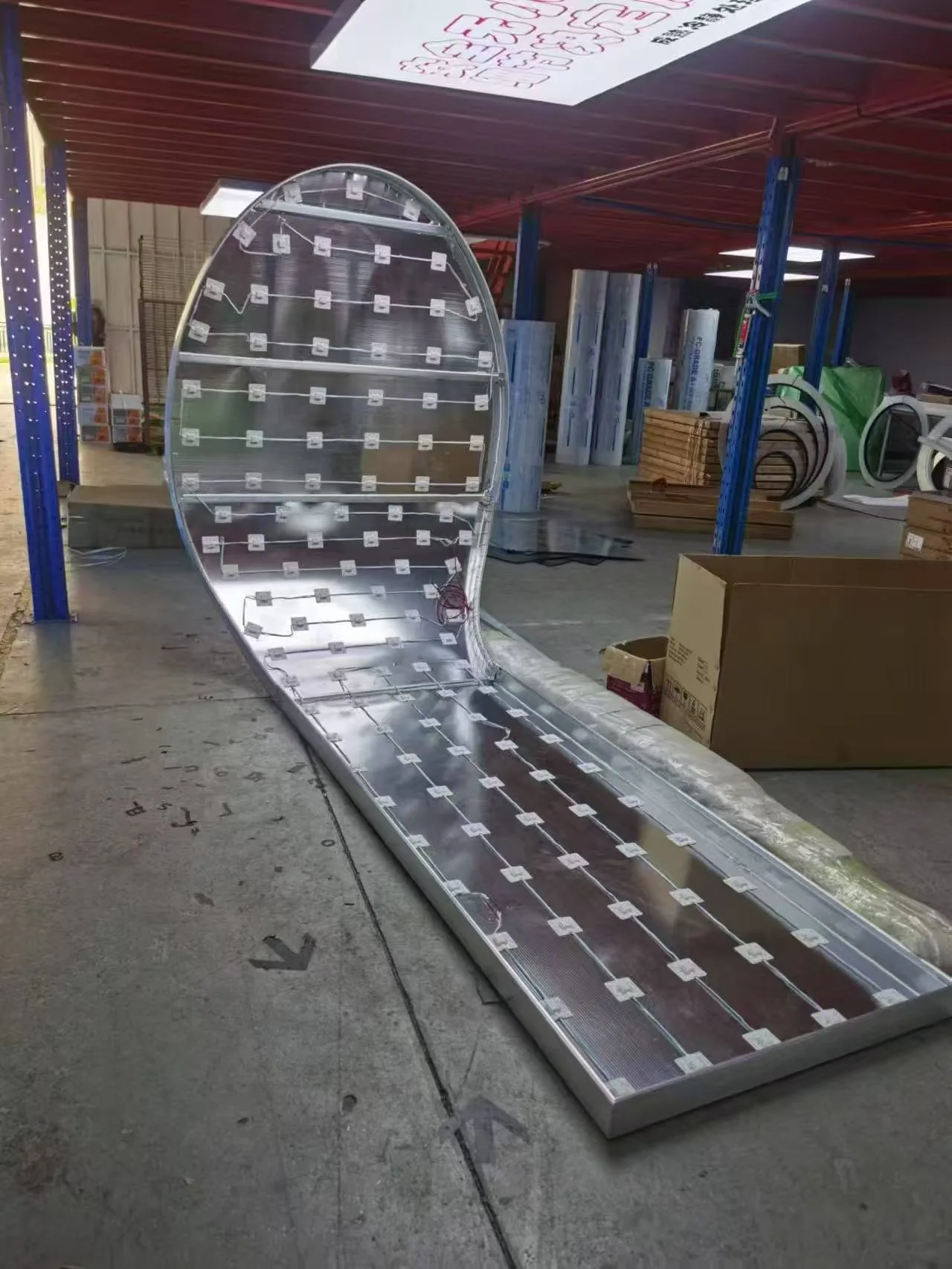
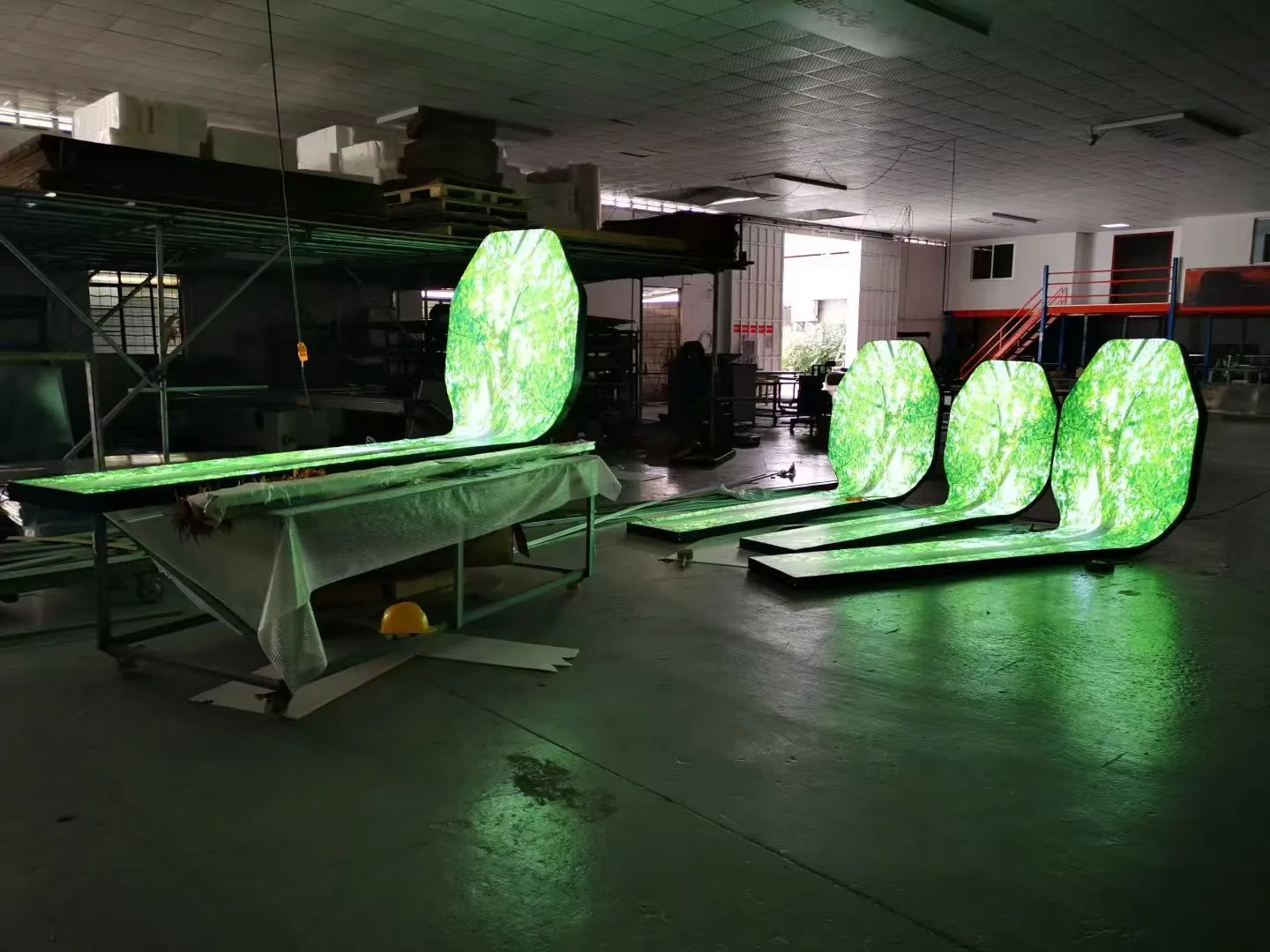
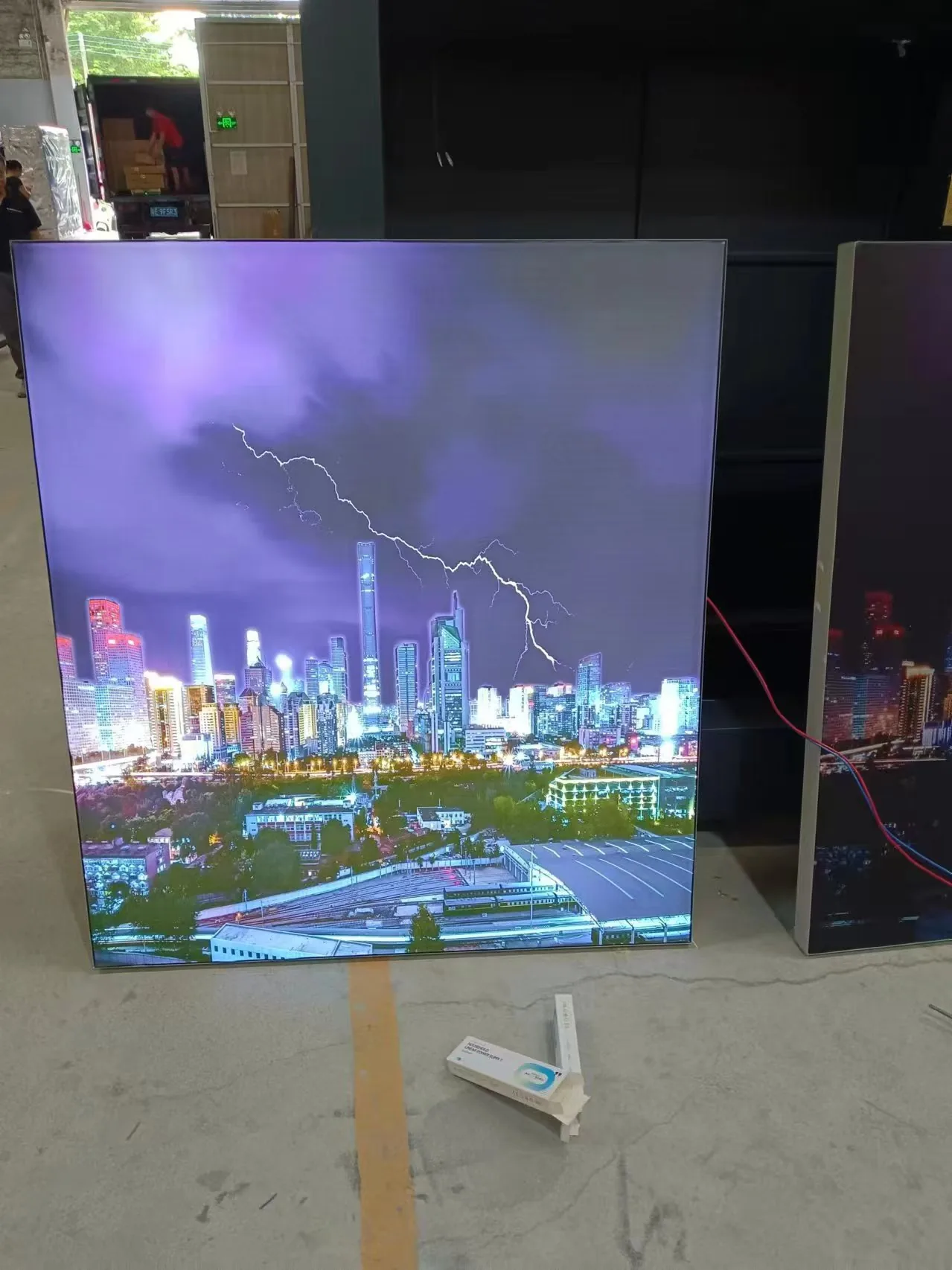
A four-step drawing-led review sequence
A privacy-safe sequence connects drawing input, configuration review, a finished physical sample and an opened internal-lighting review. Client names, project codes and commercial details remain removed.
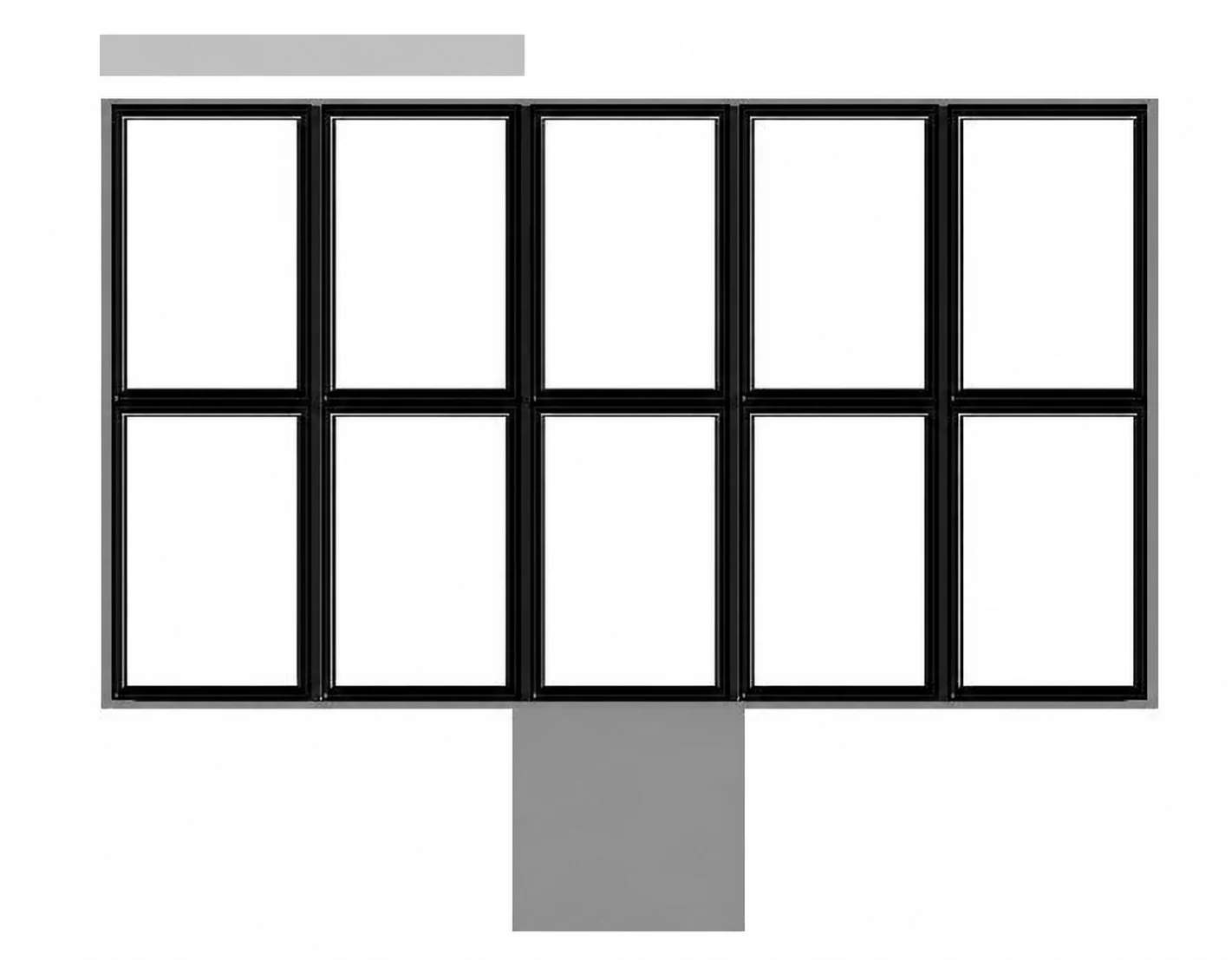
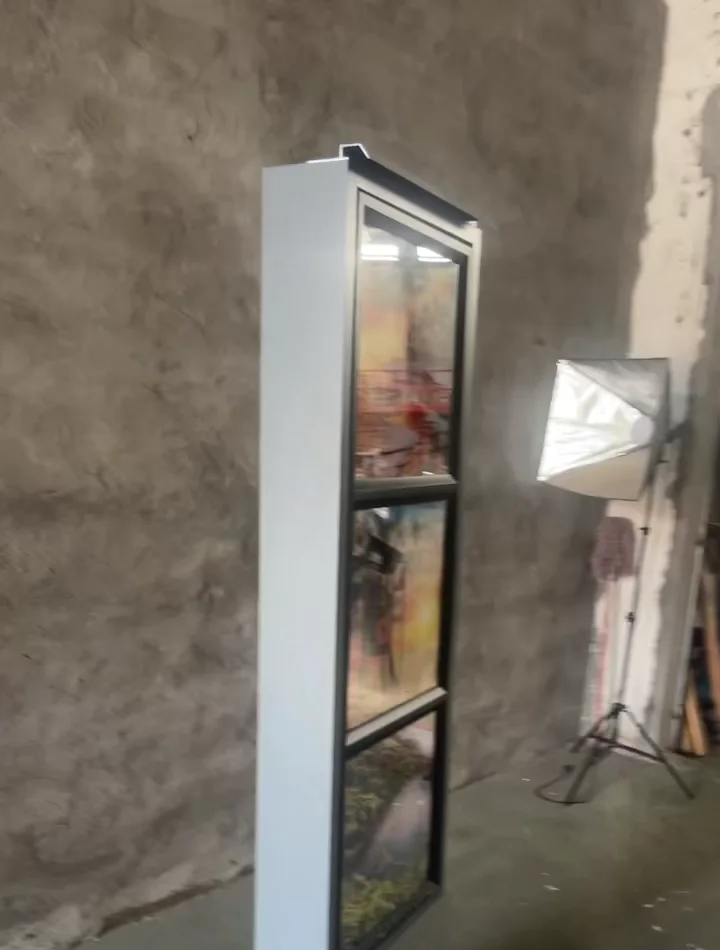
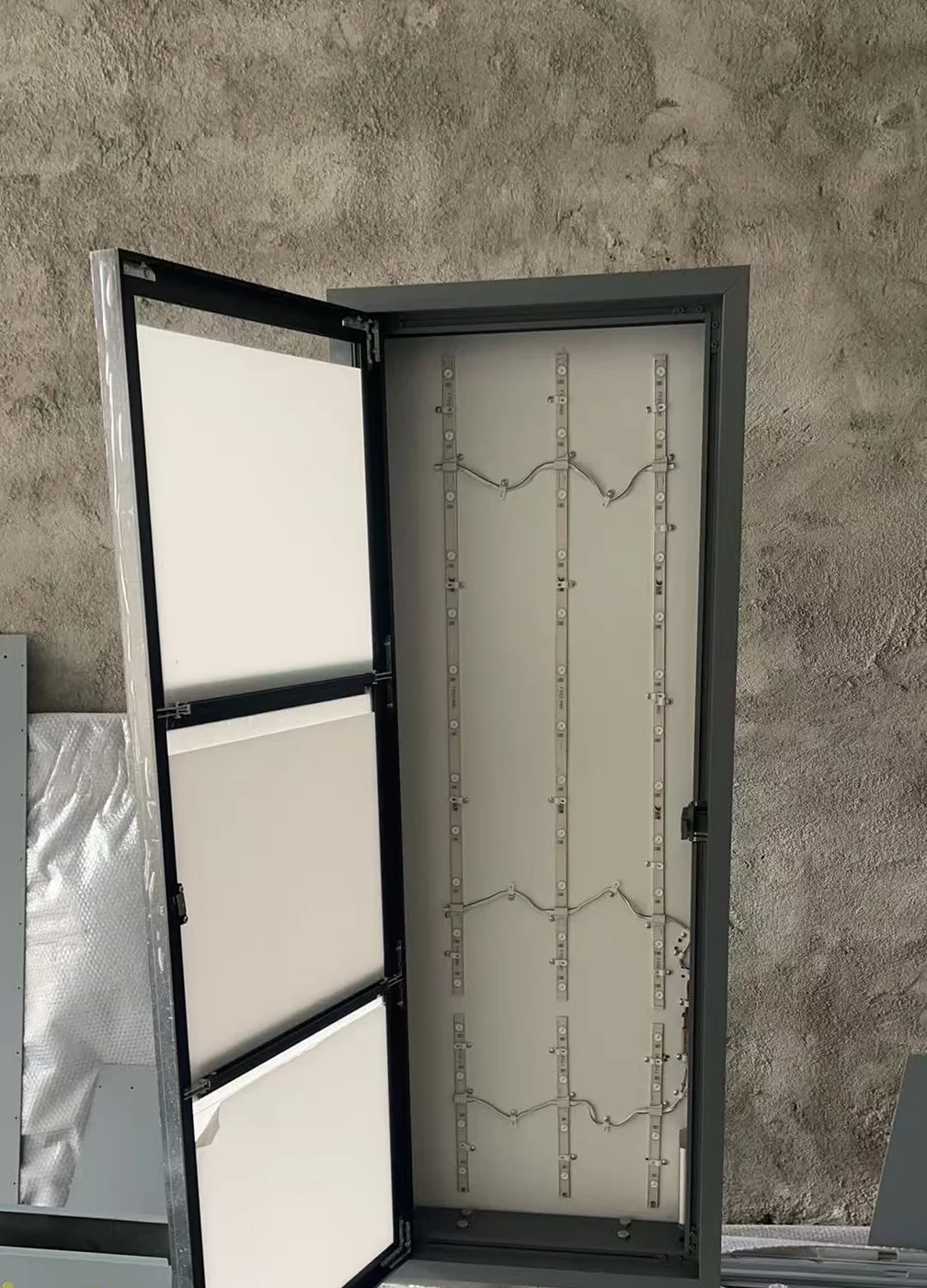
For a similar requirement, send an authorized drawing, intended use, dimensions, quantity and the decisions that need confirmation. Feasibility and supply scope are agreed after review.
Where agreed, the buyer reviews the physical sample or a recorded function/light-on view before the confirmed structure moves into manufacturing. Relevant dimensional, wiring, power-on, light-on or function checks follow; corrections are completed before dispatch when required, then packing is prepared for the approved supplied condition.
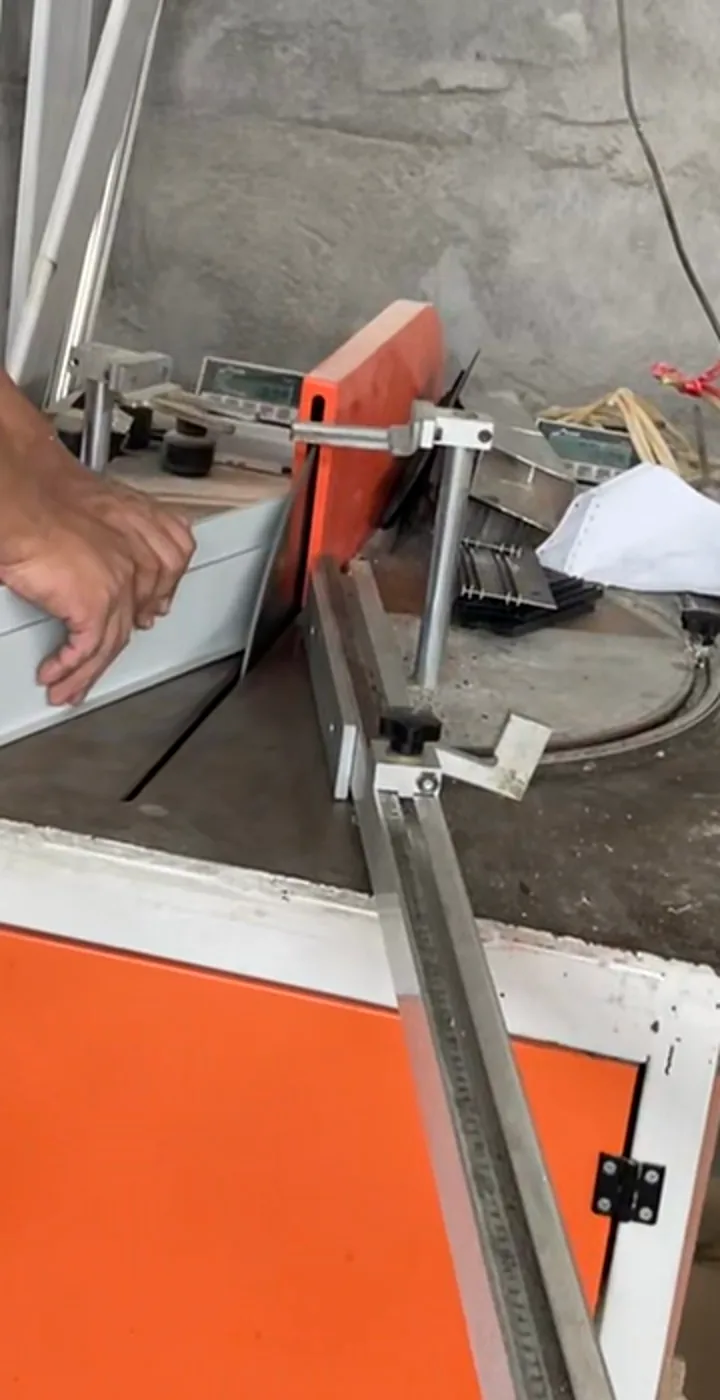
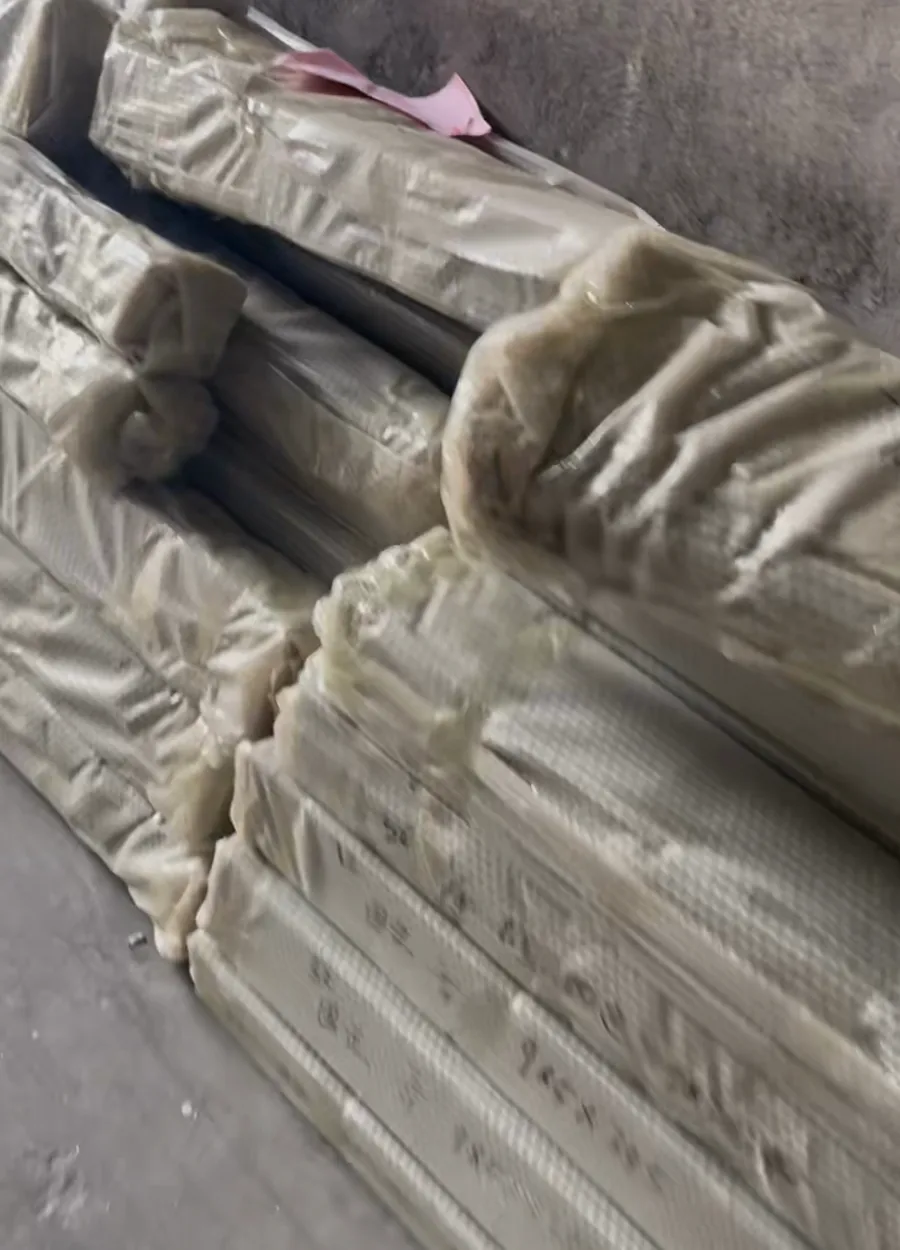
Cutting, wiring assembly and protective packing
These views document profile processing, wiring assembly and protective packing within Ningora’s project manufacturing workflow. Exact equipment, inspection criteria and final packing method remain project-specific.
03 / Configuration options
Choose the most useful starting point
Existing drawing
Use the drawing to identify geometry, interfaces, critical dimensions and open questions.
Authorization required
Physical sample
Use an authorized sample to clarify form or interface where a drawing is incomplete.
Rights confirmation required
Early-stage brief
Begin with application, dimensions, placement, quantity and desired outcome.
Feasibility not pre-approved
Custom profile request
Provide the target section, estimated volume and tooling expectation for review.
Qualified volume only
04 / Who it is for
For teams managing project decisions
01 / CONTRACTOR
Sign & display contractors
When a non-standard light-box requirement needs structured clarification before quotation.
02 / DESIGN
Design teams
When an early concept must be translated into reviewable geometry and conditions.
03 / PROCUREMENT
Procurement teams
When scope, MOQ, lead time and requirement ownership need to be tied to one brief.
04 / SOURCING
Project sourcing teams
When drawings, samples or profile requirements need a human feasibility review.
05 / Technical decision variables
Build the decision register
A useful brief separates buyer requirements from items that still need confirmation. Unknowns are not silently converted into specifications.
Intended use, indoor/outdoor selection, exposure and installation context.
Dimensions, unit, quantity, shape, sidedness and critical interfaces.
Mounting type, access, site constraints and responsibilities that remain to be defined.
Graphic intent, illumination requirement, voltage/market and control requirement if relevant.
Estimated volume, destination and target date; MOQ and lead time are confirmed per project.
Confirm that drawings, samples and references are authorized for review before sharing them.
06 / Custom options
Manufacturing options confirmed for the project
Custom size
Available subject to drawing review, MOQ and project confirmation.
Drawing review
Custom frame structure
Ningora manufactures custom frame structures from reviewed drawings; feasibility, interfaces and production scope are confirmed for the project.
Feasibility review
Shape & mounting
Round, curved, double-sided, suspended, floor-standing or special-base requirements may be considered subject to review.
Site-specific
Finish & color
Reviewed against a physical color sample, finish, MOQ and approval.
Sample / approval
Custom profile tooling
May be considered for qualified volume, subject to drawing and tooling review.
Qualified volume
07 / Project review process
A controlled route from project review to manufacturing
Buyer Brief
Application, dimensions, quantity, placement, destination and available drawing or sample inputs.
Ningora Review
Missing information, interfaces, responsibilities and drawing-rights questions are identified.
Configuration
Structure, profile, finish, mounting, lighting and supplied condition are defined.
Sample / Approval
Purpose, timing, charge and acceptance point are confirmed when a sample is needed; buyer approval or video review is used where agreed.
Manufacturing
The agreed structure moves through project-specific fabrication and assembly.
Checks
Relevant dimensional, wiring, power-on, light-on or function checks are completed, and corrections are made before dispatch where required.
Packing
Protection and handoff are prepared around the confirmed supplied condition.
08 / What the buyer should send
Share enough to review—nothing unnecessary
Do not send secrets, unrelated personal data or files you are not authorized to disclose. Submission alone does not create an NDA.
09 / FAQ
Project review scope
Can you review a customer drawing?
Customer drawings can be reviewed for a custom requirement. Final feasibility remains subject to review, and any later drawing deliverable is confirmed for the approved project scope.
Can a physical sample be used?
An authorized physical sample may be reviewed for replication or redevelopment. The buyer must confirm the right to share and use the sample; review does not guarantee exact replication.
Is prototype support available?
Prototype or custom sample support may be available after drawing and feasibility review. Timing, charges, acceptance and the final scope are project-specific.
Does submission create confidentiality terms?
No. Do not disclose sensitive material until suitable written terms are in place. RFQ submission alone does not create an NDA or project agreement.
When are MOQ and lead time confirmed?
MOQ is confirmed by product, customization and project requirements. Lead time is confirmed after drawing, tooling, quantity and finish review.
10 / RFQ CTA
Start a Factory-Direct Manufacturing Brief
Start with the minimum project facts. A human review can then identify missing information before configuration and quotation.