01 / Buyer problem & application
Applications & Prototypes
Ningora manufactures project-specific light box and illuminated display systems for retail, exhibition, signage and wayfinding applications. The use context determines the format, viewing direction, dimensions, mounting and lighting brief; final configuration and feasibility remain project-specific. Concept visuals and verified physical development evidence remain clearly labelled.
The Hero visuals are original planning concepts. Physical prototype and workshop views appear lower on the page to show how selected applications move into development.
02 / System overview
Map Retail, Exhibition and Wayfinding Light Box Applications
An application describes the problem and context. The actual system, profile, lighting, mounting and supply scope still require project review. Review Custom SEG Light Box Systems for system variables, or use Custom Project Support for non-standard and drawing-led requirements.
Retail & commercial display context
Ningora configures and manufactures custom displays around the interior, viewing direction, graphics and installation context. Each location and supplied condition remains project-specific.
Exhibition & branded environments
Illuminated formats may be considered against footprint, viewing direction, reuse expectations and project requirements. Repeatable modules are not assumed.
Illuminated wayfinding
Custom illuminated directional, acrylic and double-sided/projecting requirements can be reviewed, subject to the actual configuration.
Special structures
Non-standard illuminated structures can be considered as custom projects, but feasibility and exact scope are not pre-approved.
From application concept to physical review
The Hero remains an original concept visualization. The lower-page images show physical profile, prototype and workshop stages for selected applications.
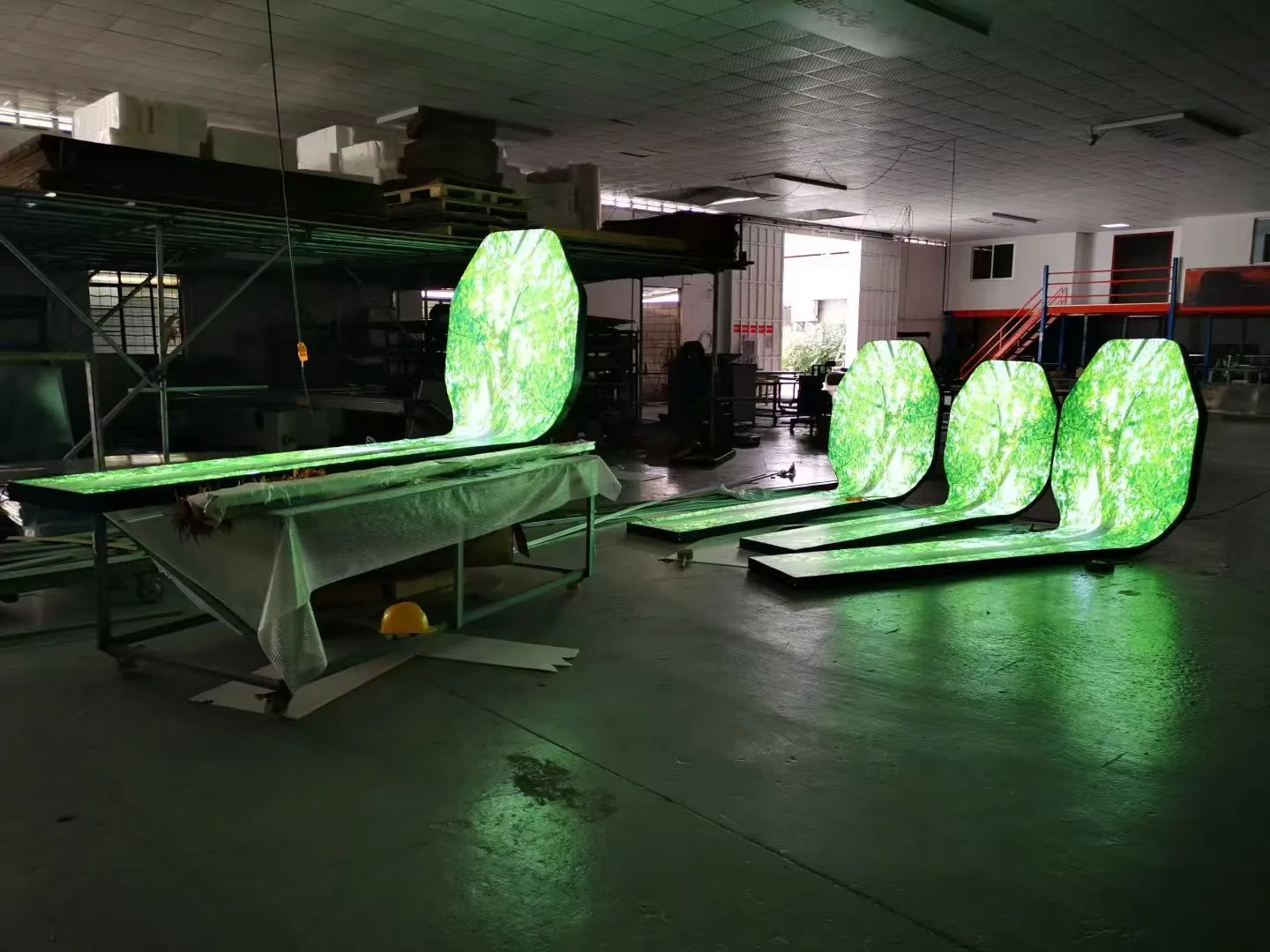
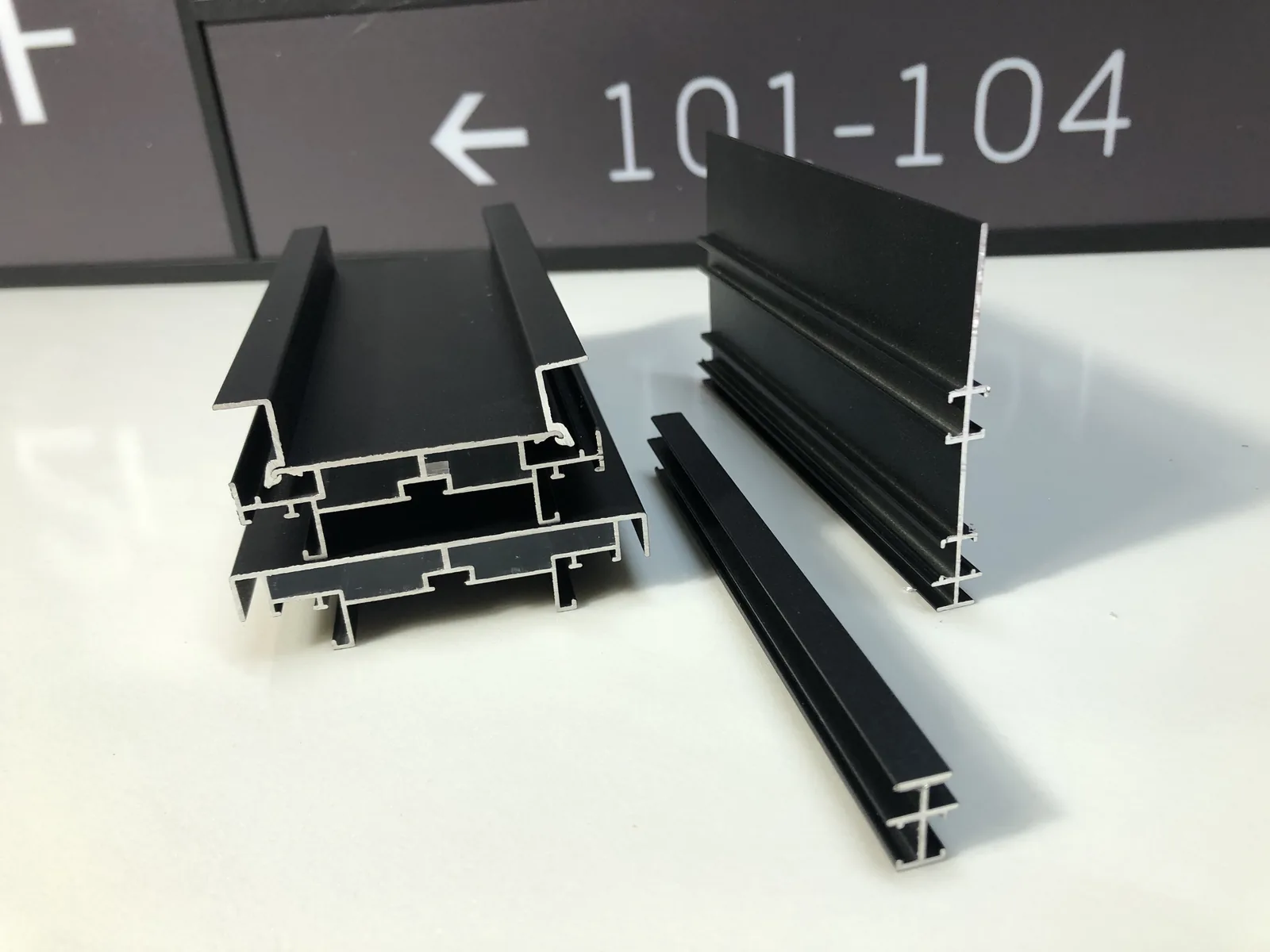
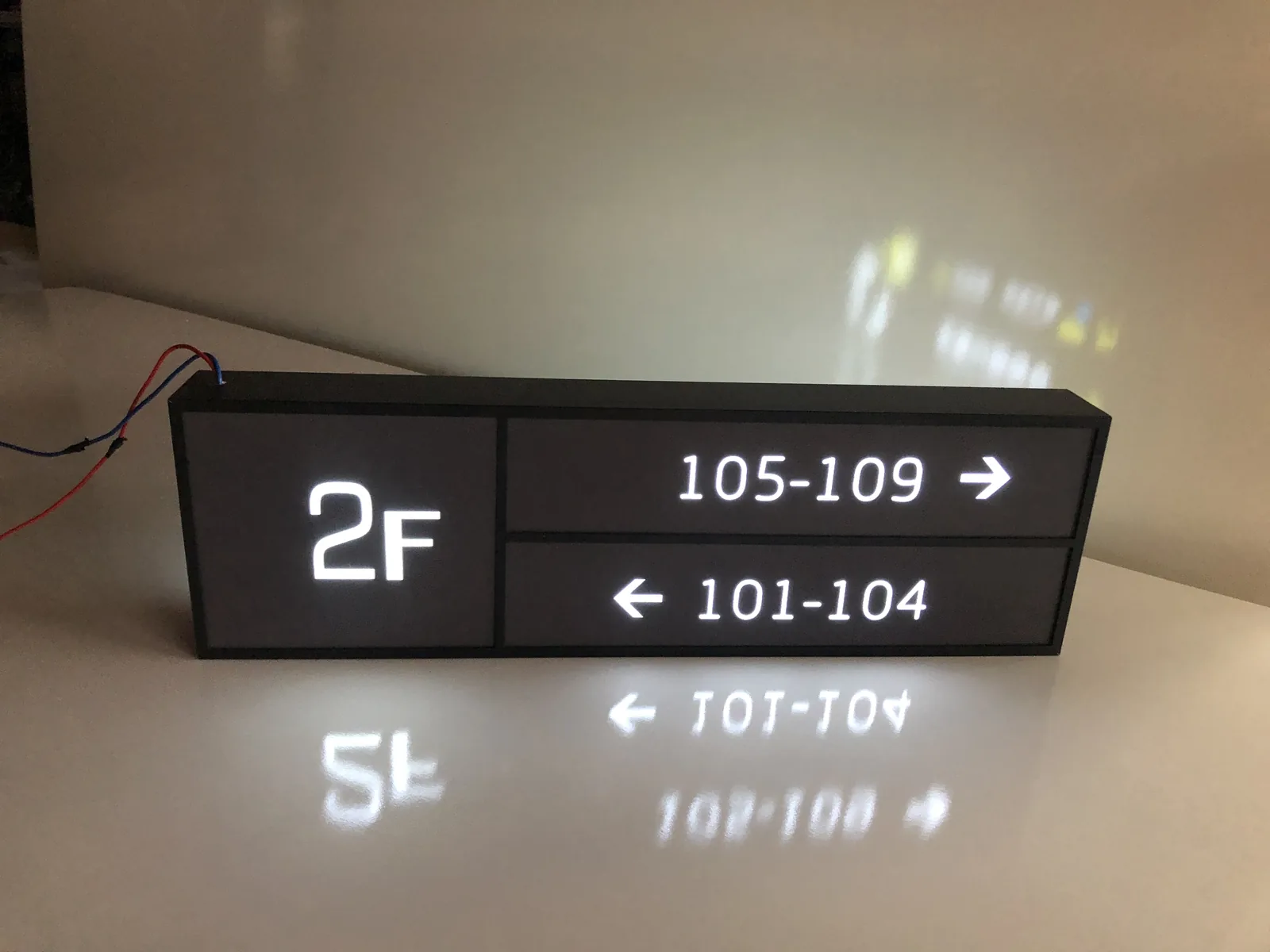
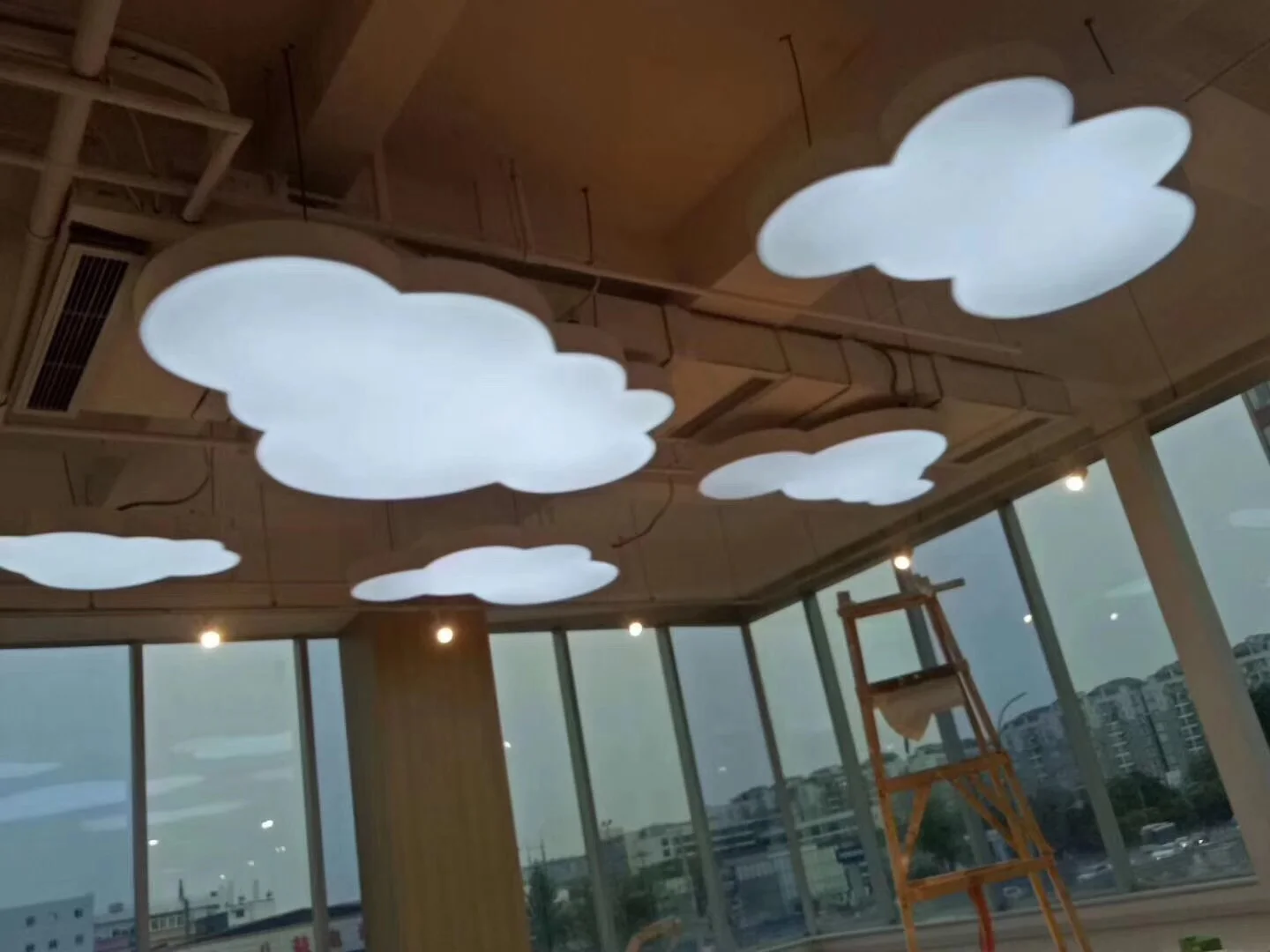
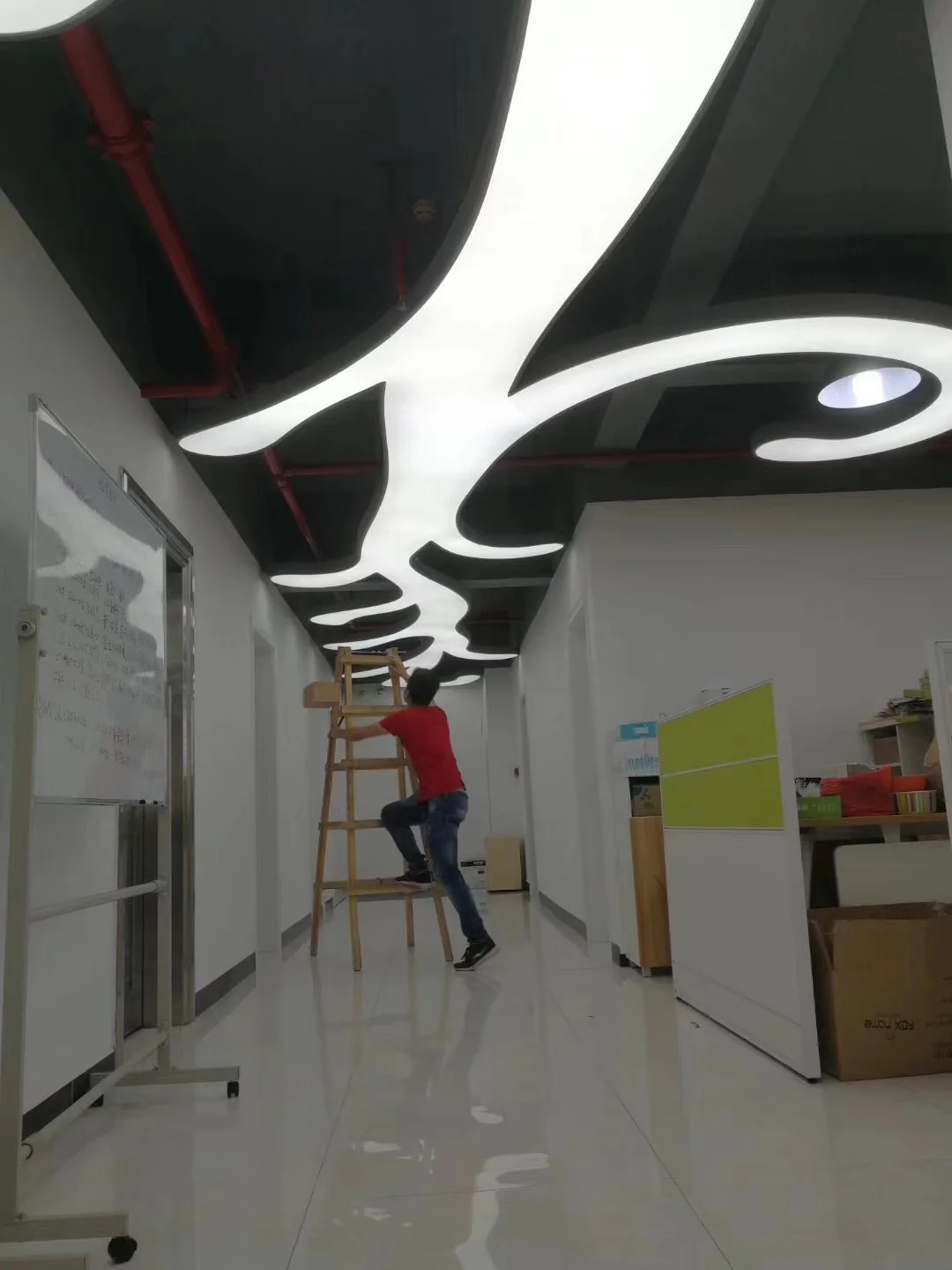
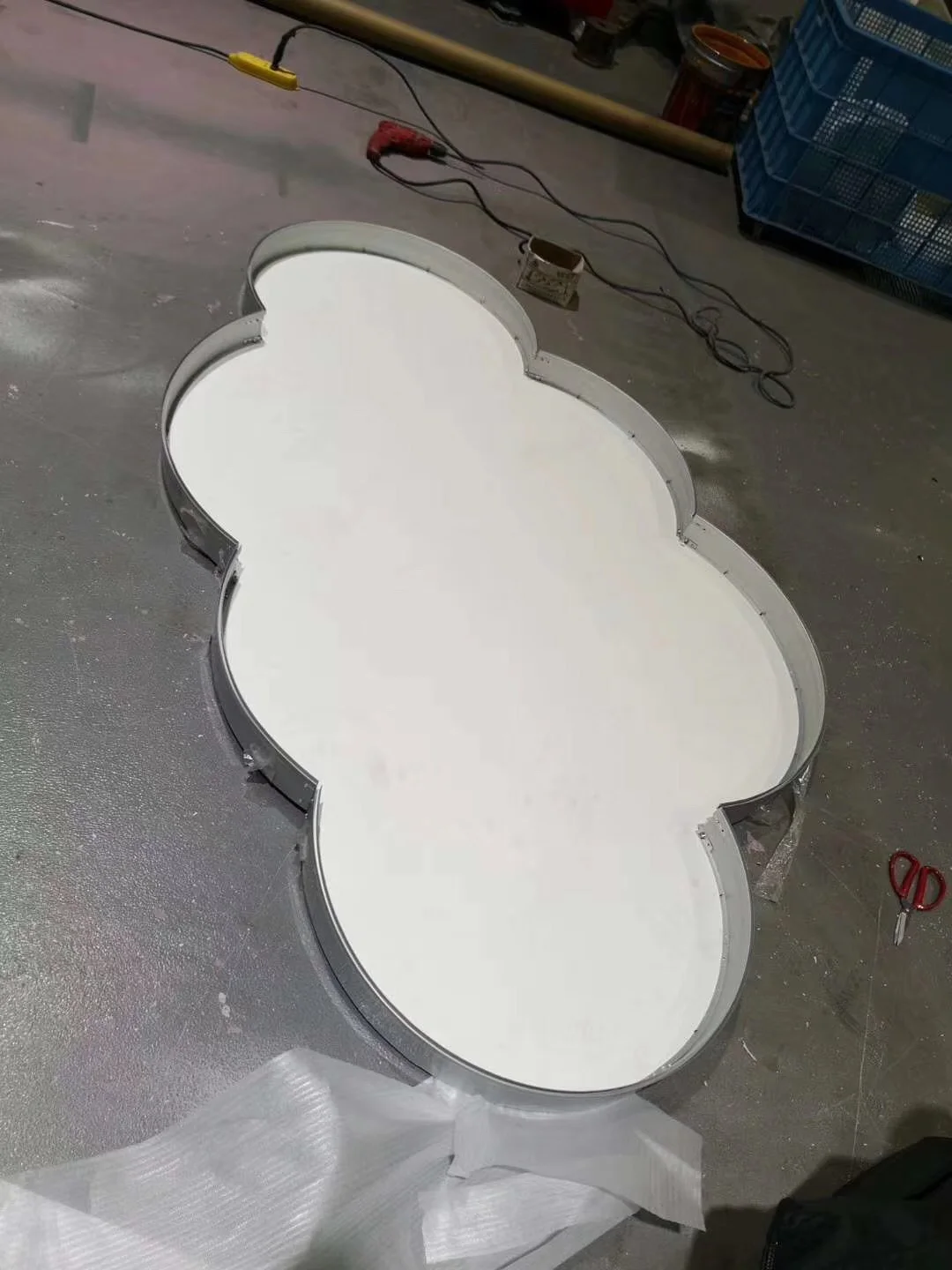
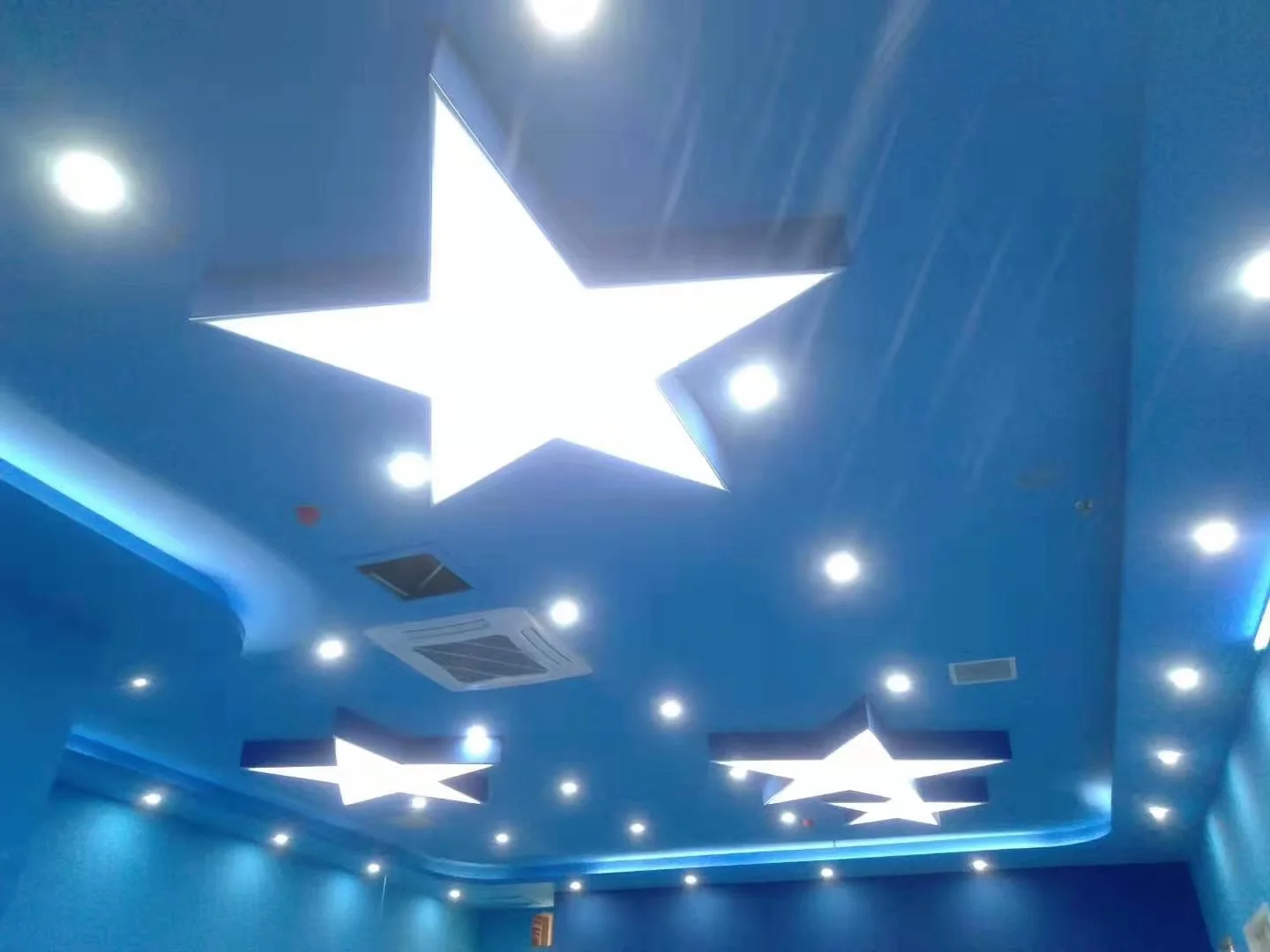
Physical development views of project-specific forms
Cloud, freeform and star-shaped structures show how non-standard illuminated forms can move from workshop fabrication into interior application contexts.
03 / Configuration options
Describe the context before choosing a format
Environment
Indoor, outdoor or not yet known. Outdoor selection starts a review; it does not confirm suitability.
Viewing pattern
Single direction, double-sided viewing, projecting format or a wider circulation context.
Placement
Wall, suspended, freestanding or project-specific mounting, with site conditions described.
Graphic change
State how the graphic is expected to be installed or changed; the interface must be confirmed.
Lighting intent
Describe the illumination, destination voltage/market and any requested control behavior.
Shape & material intent
Identify standard or non-standard geometry and any acrylic or profile requirement for review.
04 / Who it is for
For professional teams defining the application
01 / SIGN
Sign companies
Translate a location and viewing requirement into a reviewable display brief.
02 / DISPLAY
Display contractors
Coordinate footprint, viewing direction, mounting and graphic requirements.
03 / FIT-OUT
Shopfitters
Define an illuminated-display requirement inside a wider interior or fixture plan.
04 / PROCUREMENT
Procurement teams
Compare project requirements without relying on unverified case imagery or generic specifications.
05 / Technical decision variables
The application decision matrix
Location & exposure
Intended environment, access, surrounding surfaces and outdoor exposure if applicable.
Viewing direction & distance
Where people approach and whether one or two faces are needed; no performance value is inferred.
Dimensions & shape
Width, height, unit, quantity and non-standard geometry that may require drawing review.
Mounting & access
Wall, suspended, freestanding or project-specific placement plus service/access constraints.
Face & change expectation
Graphic intent and replacement expectation; compatibility is confirmed for the reviewed system.
Lighting & market
Destination market, voltage and desired lighting/control requirement without implying certification.
Match the manufacturing route to the confirmed project conditions
Custom size & structure
Subject to drawing review, MOQ and project confirmation.
Round, curved or special form
May be considered subject to feasibility review; curved remains an option, not a Hero product.
Double-sided or projecting
May be reviewed for custom supply; loads, mounting and site conditions remain project-specific.
Acrylic directional form
Custom acrylic shapes may be considered as part of a light-box or wayfinding project.
RGB / control requirement
May be reviewed as a project lighting option; controller, voltage and compatibility still require confirmation.
07 / Project review process
From application context to confirmed requirement
Describe the use
Explain the location, audience, viewing pattern and intended result.
Define constraints
Provide dimensions, quantity, placement, environment and target date.
Review the format
Consider structure, sidedness, mounting, graphic and lighting requirements.
Confirm the scope
Confirm available options, project conditions, MOQ and lead time before quotation.
08 / What the buyer should send
Give the application enough context
Reference material may guide a discussion, but it does not establish rights or authorize replication. Only send material you are permitted to share.
09 / FAQ
Application and prototype questions
How should the visuals on this page be read?
The Hero illustrations are original planning concepts. The separately labelled physical views show prototype, workshop and application stages; each caption identifies the stage being shown.
Can a similar application be reviewed?
Yes, as a new project brief. The application, dimensions, quantity, structure and installation context must be reviewed independently.
Is prototype support guaranteed?
Prototype or custom-sample development is available for approved projects; scope, timing, charge and acceptance are confirmed per project after drawing and feasibility review.
Can outdoor or compliance performance be confirmed from an application type?
No. Outdoor exposure and any requested standard are reviewed against the exact configuration. This page states no environmental or market-compliance performance.
Where can I review project examples?
Selected project examples are available in Project Examples. Use them to compare documented project stages and prepare a similar brief.
10 / RFQ CTA
Bring a Light Box Application. Define the Project Next.
Start with the intended use, dimensions, quantity, placement and destination. A human review can identify the missing decisions before quotation.