Project Example / Prototype / Development Record
Illuminated Wayfinding Development
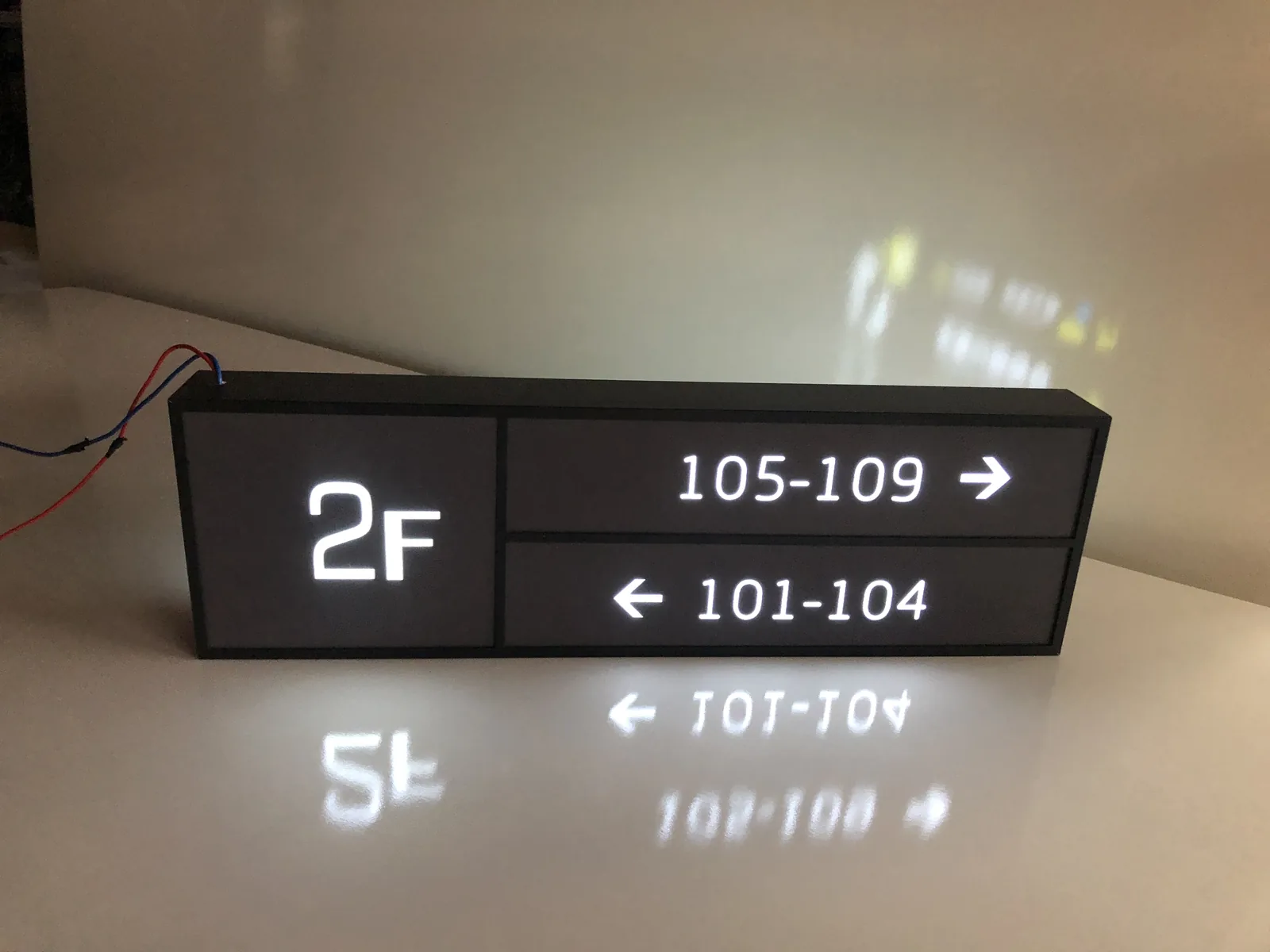
Ningora developed and assembled an illuminated wayfinding prototype from reviewed profile sections through physical assembly, light-on review and a short function demonstration.
Project requirement
A directional format where profile, graphic and illumination meet
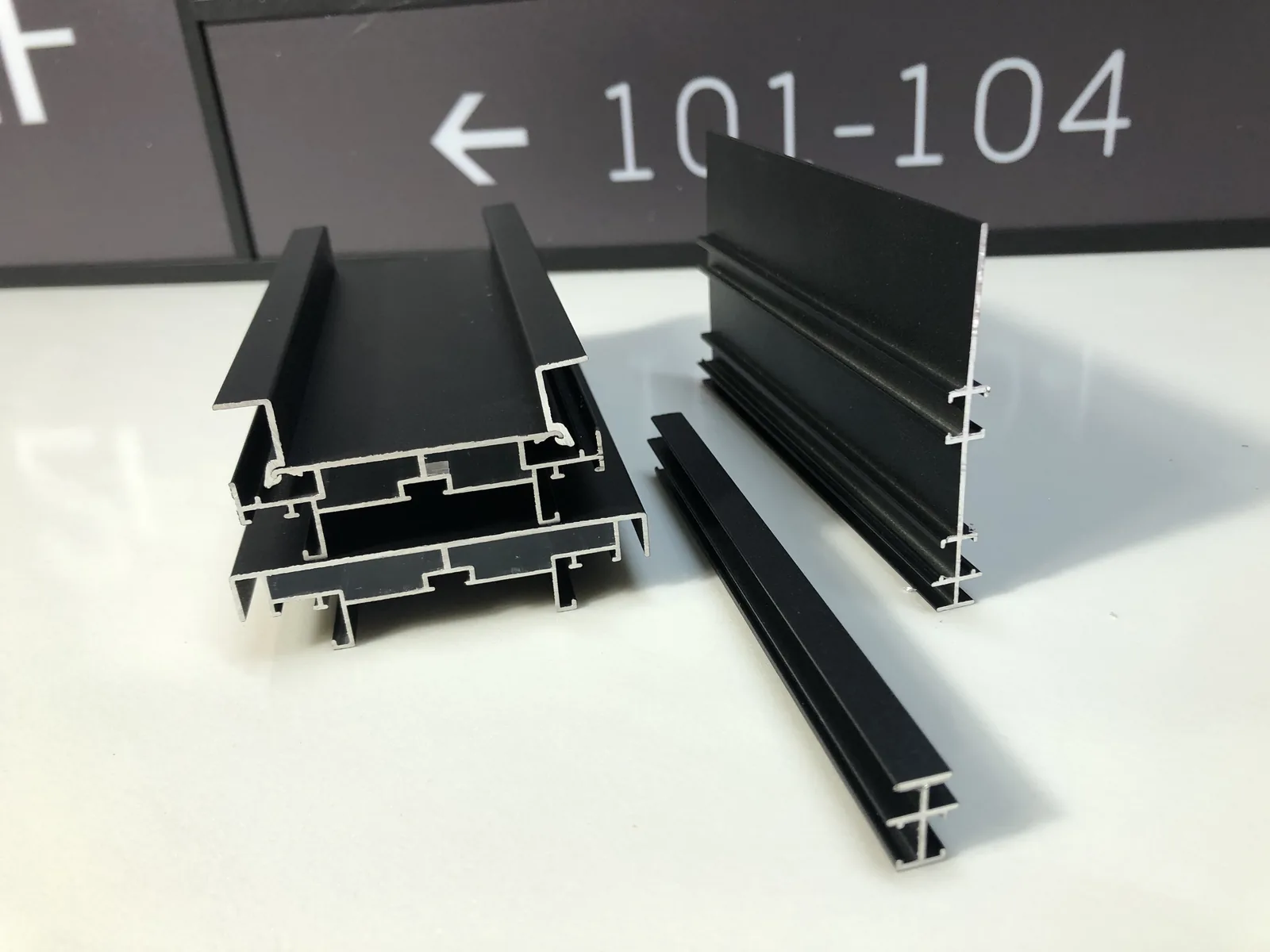
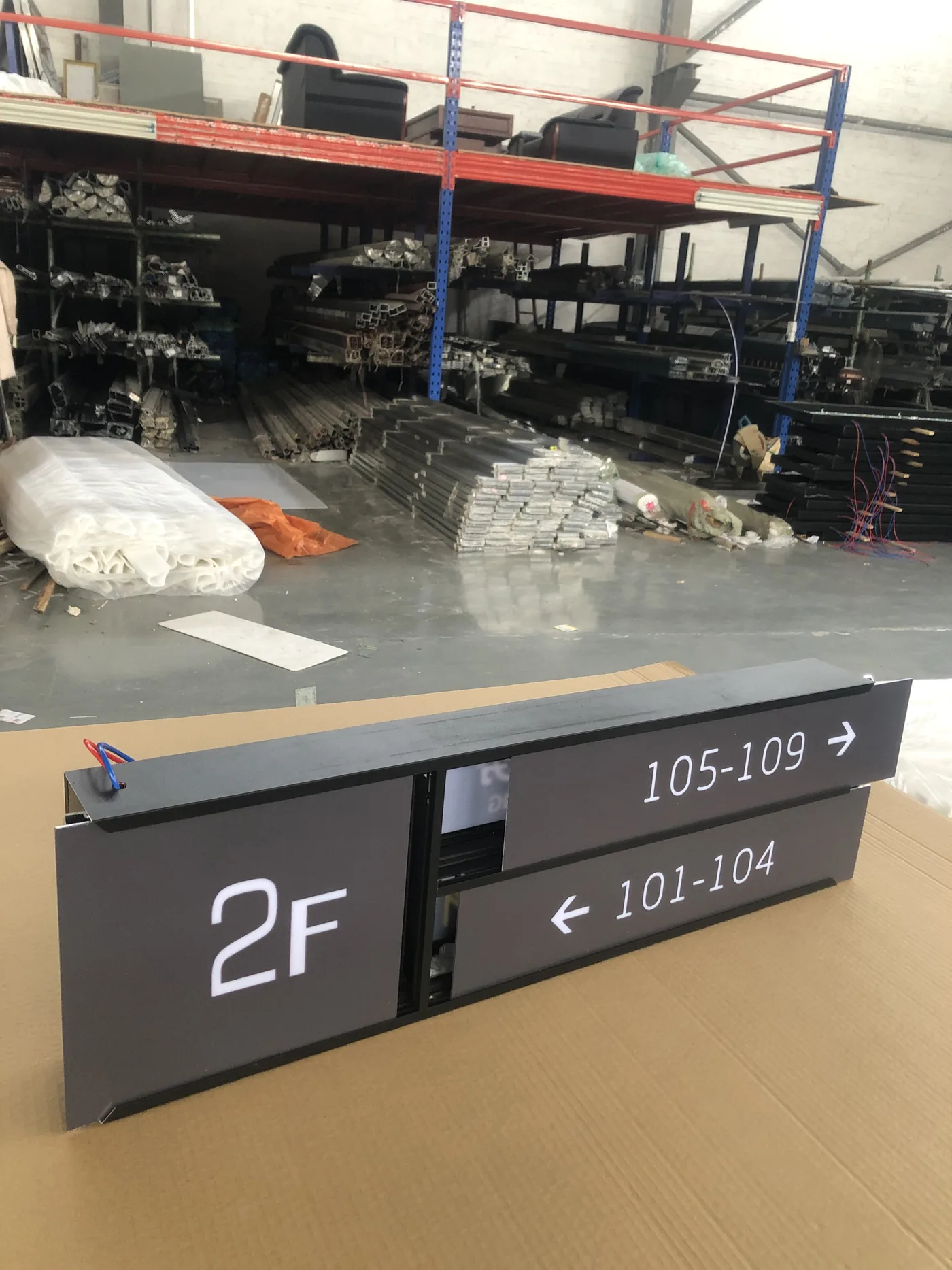
The prototype sequence is useful because it shows the component and light-on stages separately. It does not rely on a finished-site photo to explain the development work.
Profile selection
Physical black profile sections establish the starting interface and scale for review.
Prototype assembly
A directional display sample brings the section, face and internal construction together.
Light-on review
Illumination is checked on the physical prototype rather than described only in copy.
Function demonstration
A short workshop video shows the prototype during a light-on and handling check.
Prototype sequence
Sections, light-on sample and workshop context
What to send for a similar requirement
Define the sign as part of a location and decision system
Sign schedule
Message types, quantities, orientation and how the signs relate to the wider route.
Dimensions
Overall size, face layout, sidedness and any profile or thickness direction.
Mounting context
Wall, suspended, projecting or freestanding placement plus fixing constraints.
Graphic files
Authorized artwork, typography and change expectations for review.
Lighting brief
Destination voltage, illumination intent and control requirement if any.
Environment
Indoor or outdoor selection, exposure details and any standard requested for the exact configuration.
Project takeaway
Wayfinding development begins with the information system, then the illuminated object.
Profile, sidedness, mounting, graphic hierarchy and lighting should be reviewed against the actual location before configuration is confirmed.